Sewer Line Repair for Novi Homeowners
Request an estimate from a local provider
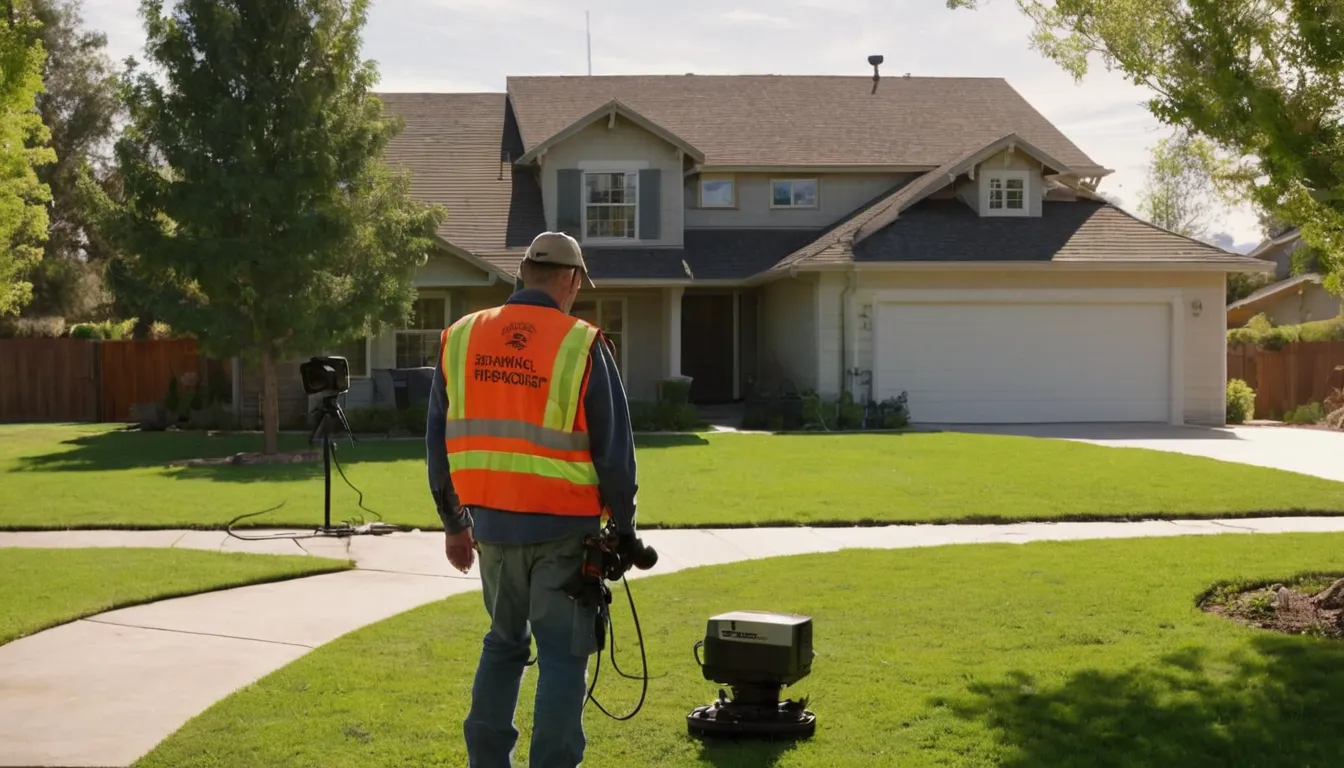
A sewer line carries every drop from your toilets, sinks, and shower out to the street main or to your septic tank. When it cracks, clogs, or sags, the waste has nowhere to go. It backs up into the drain closest to the floor, or it leaks into the soil under your yard.
Homeselected Septic is a referral service. We connect homeowners in the Novi area with independent local providers who do the digging, camera work, and pipe repair. This page is written for first-timers. It shows what you can safely do yourself, where to stop, and what to expect when a provider takes over. Prep it, then call. A little preparation makes the visit faster and the estimate clearer.
Sewage Backing Up? Start Here
Stop adding water. Do not flush. Skip the shower, the washer, and the dishwasher too. Every gallon you send down has to go somewhere, and it will pick the weakest drain in the house.
Next, look at the floor drain or the tub in the basement. Dirty water there points to the main line, not one clogged sink. Note what you see, when it started, and which fixtures gurgle. A provider will ask.
Keep kids and pets away from the wet area. Wear rubber boots and gloves if you must step in. If water is near outlets, the panel, or the furnace, stay out. Prep it, then call.
Know Where to Stop
Safe for you: soak up small spills with towels, bag soiled items, run a fan, open a window, and snap photos for your records. Photos also help if you later talk with your insurer.
Not safe for you: digging near the pipe, renting a power auger for the main line, pouring bleach or drain chemicals, or climbing into a trench. Old pipe can snap under cleaning gear, and chemicals are hard on pipes and on the people who work on them next. Lid stays shut on any tank or manhole you do not understand.
Request a callback to check provider availability in your area. Many providers can respond quickly to a backup.
Signs Your Sewer Line Is in Trouble
A backup is the loud sign. Quiet ones show up first. Watch for these:
- Slow drains in several rooms at once
- Gurgling toilets after the washer drains
- A sewage smell in the basement or the yard
- Soggy, extra-green patches on the lawn
- Small drain flies or sewer pests around floor drains
- Cracks or sinking spots in the slab or the yard
One sign may be a simple clog. Two or three together usually mean the main line needs a look.
One Drain or All of Them?
Here is a quick home test. Run the kitchen sink and see if the toilet gurgles. Flush the toilet that sits closest to the basement floor drain and watch the drain. If only one fixture is slow, the clog is probably in its own branch. If the drains at floor level bubble or fill, the trouble is in the main line. Write down your results. They save the provider time.
What Damages Sewer Lines
Roots are the top troublemaker. They squeeze into tiny joints and grow into a thick mat. Age matters too. Frame houses and bungalows from many decades back often sit on clay, cast iron, or fiber pipe that cracks or collapses.
Cold winters add deep frost, which heaves soil and pulls joints apart. Spring flooding and heavy storms soak the ground, shift it, and push extra water into weak pipes. Grease, wipes, and heavy loads over the line round out the list.
Basements and Sump Pumps
Many homes here have full basements with sump pumps. Check that your sump pump discharge goes outdoors, not into the sewer. Extra storm water can overload the line during a hail or thunderstorm. A provider can tell you if the setup is a risk.
How a Provider Finds the Problem
A good provider does not guess. They run a small camera through the cleanout and watch the pipe on a screen. They use a locator to mark the exact spot and depth above ground. You then see where the break, the roots, or the belly in the pipe sits.
You can help. Clear a path to the cleanout, move boxes, and keep pets in another room. Know where your cleanout cap is before anyone arrives.
Repair Options Explained
The fix depends on the camera findings. Ask the provider to show you the video and explain why they chose a method.
Spot Repair
If one short section is cracked, a crew can dig a small pit, cut out the bad piece, and join in new pipe.
Pipe Lining
For cracks and root damage along a longer run, a provider may pull in a resin liner that forms a new pipe inside the old one. Digging is limited.
Pipe Bursting
This method pulls new pipe through the old path and breaks the old pipe apart. It needs entry pits at each end, not a long trench.
Full Replacement
When the pipe has collapsed or sags badly, open trench replacement may be the safest choice. It is messier but gives a clean new run.
Permits and Property Lines
Many towns require a permit for sewer work, and some need an inspection before the trench is closed. Ask the provider whether they pull permits. The line from your house to the property edge is usually yours to fix. The section under the street often belongs to the city or utility. Check with your local office before any dig starts, and have buried utilities marked first.
Putting Your Yard Back Together
Trenches leave scars. Ask what the estimate includes for backfill, grading, sod, or reseeding. Plan for settling over the next season. Frost and spring rains can sink loose soil, so expect a touch-up. Flag sprinkler heads and garden beds before work starts.
Keeping the Line Healthy
- Flush only toilet paper and human waste
- Pour cooled grease into a can, not the sink
- Keep large trees and shrubs away from the pipe path
- Schedule a camera check every few years on older homes
- Test your sump pump before spring thaw
On Septic or a Well?
If your home uses a septic system, a backup could come from a full tank, not the line. Ask about septic tank pumping or emergency septic cleaning, and drainfield repair if the yard stays wet. Those are separate services with their own providers.
If you have a private well, sewage leaking near it is a health risk. Ask a provider about water well service and testing before you drink the water.
Questions to Ask the Provider
- Will you run a camera before quoting the work?
- Can I see the video and the marked location?
- Which repair method do you suggest, and why?
- Does the quote include permits, backfill, and yard cleanup?
- What could change the price once digging starts?
- Please put the quote in writing.
What's Included
Camera Inspection
A small camera travels through the pipe so the provider can see roots, cracks, and low spots.
Line Cleaning
Jetting or cabling clears roots and grease from the main line.
Spot and Full Repairs
Repair choices range from small section fixes to lining, bursting, or full pipe replacement.
Locating and Marking
The provider marks the break and its depth so digging stays small and planned.
Typical Sewer Line Repair Costs
Prices vary a lot by pipe length, depth, soil, and access. These are typical U.S. ranges only. Always ask for a written quote after the camera inspection.
| Item | Typical range | Notes |
|---|---|---|
| Camera inspection | $100 – $500 | Often applied toward repair work |
| Main line cleaning | $150 – $800 | Jetting costs more than cabling |
| Spot repair | $1,000 – $4,000 | Depends on depth and access |
| Pipe lining | $3,000 – $12,000 | Less digging, longer sections |
| Pipe bursting | $4,000 – $15,000 | Needs two entry pits |
| Full replacement | $3,000 – $25,000 | Length, depth, and yard work vary |
How It Works
Stop the Water
Hold off on flushing, showers, and laundry, then note which drains are slow or backing up.
Prep and Photograph
Clear the cleanout area, take photos, and write down what you saw.
Request an Estimate
Contact the request form or call to be matched with a local provider.
Review the Camera Findings
Look at the video, compare repair options, and get the quote in writing.
Why Call Homeselected Septic
Independent Local Providers
Providers in our network are separate local businesses that handle the digging, cameras, and repairs.
Plain-English Guidance
You get clear steps for what to do at home and when to stop.
No Obligation
Requesting an estimate does not commit you to hiring anyone.
Local Fit
Providers know frost depth, soil, and older home layouts common across the Novi area.
Other Services

Need sewer line repair in Novi?
Describe your septic or sewer problem and we will match you with a local provider in our network. Request an estimate or ask for a callback.
No obligationSewer Line Repair FAQ
How do I know if my sewer line is broken?
Look for backups in several drains, gurgling toilets, sewage smells, or soggy lawn spots. A camera inspection by a local provider confirms whether the pipe is cracked, clogged, or sagging.
Can I fix a sewer line myself?
You can clear a simple fixture clog or tidy up after a spill. Main line repair needs cameras, locators, and digging skill, so know where to stop and call a provider.
Does homeowners insurance cover sewer line repair?
Some policies may cover sudden damage, but many exclude wear, roots, or backups unless you add an endorsement. Check your policy, and ask providers to help document damage for a claim.
Reach a local provider
Describe your septic or sewer problem and we will match you with a local provider in our network. Request an estimate or ask for a callback.
No obligation