Septic System Repair for First-Time Homeowners
Request an estimate from a local provider
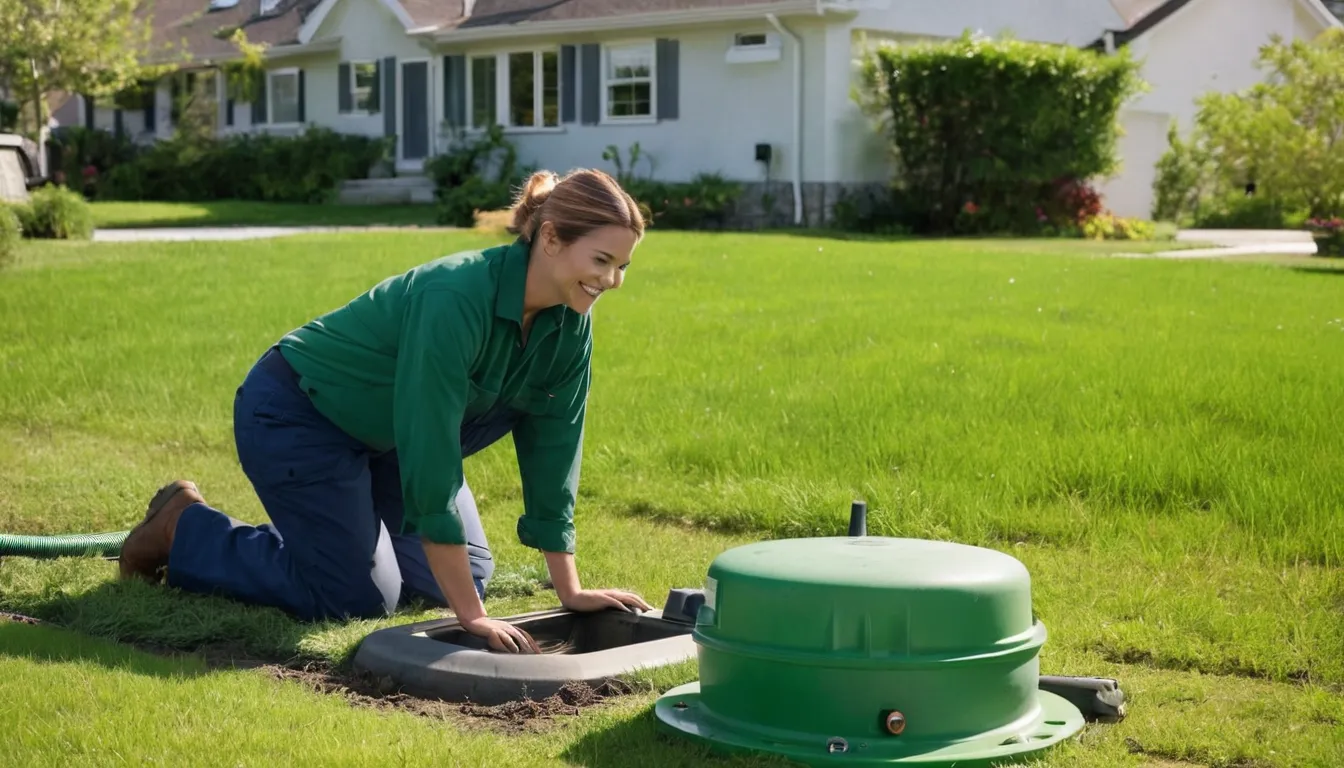
A septic system is a buried set of parts: a tank, pipes, and a drainfield that soaks up treated water. When one part fails, the whole house feels it. You may see slow drains, gurgling, or wet spots in the yard.
Homeselected Septic is a referral service. We do not do the repair work. We connect you with independent providers in our network who serve the Novi area. They bring cameras, pumps, and training that a homeowner does not have. This page shows you what to look at first, what repairs usually involve, and what questions to ask before anyone digs.
Spot the trouble first
You do not need tools to start. You need eyes and a nose. Walk the yard and the house, and write down what you see.
Signs to check today
- Sinks, tubs, and toilets drain slowly, or gurgle.
- A sewage smell near the tank lid or drainfield.
- Bright green, spongy grass over the buried system.
- Standing water or mud when the weather has been dry.
- Sewage backing up into a basement floor drain.
One sign can be a clogged pipe. Two or three together point to the septic system itself.
Know where to stop
You can check, but you should not open the tank. Gas inside the tank can knock a person out fast. Lid stays shut. Do not climb in, lean over, or lift a heavy lid alone. Keep kids and pets away from soggy ground, too.
If sewage is coming up inside the house, stop using water and look into emergency septic cleaning or repair through a local provider.
Safe things you can do right now
Here is the hands-on part. These steps are safe and can make the provider's job easier.
- Spread out laundry. Run one load at a time, not five in a row.
- Skip long showers and the dishwasher until the system is checked.
- Fix any dripping faucet or running toilet. Small leaks add up.
- Note the date of the last pumping, if you know it.
- Find your tank map or permit papers, if you have them.
- Take photos of wet spots, with a coin or shoe for scale.
What usually goes wrong
Most septic repairs fall into a few groups. Knowing them helps you follow the provider's explanation.
A full or neglected tank
Solids build up. They can slip out to the drainfield and clog it. Sometimes the fix is septic tank pumping, and that is a different job with its own page.
Broken baffles and cracked pipes
Baffles keep solids in the tank. When one breaks, solids travel where they should not. Cracked or sagging pipes between the house and tank cause backups too.
Tree roots
Roots love water. They push into pipes and joints and can block the line. Old frame houses with mature trees see this often.
Pump and alarm failures
Some systems use a pump to move water uphill. If the alarm sounds or the float sticks, the tank can overfill.
When the drainfield is the problem
The drainfield is where treated water soaks into the soil. When it fails, you may see soggy ground or smell sewage outdoors. Drainfield repair can mean resting one section, adding new lines, or replacing soil that has clogged. It takes heavy equipment, and a permit is often needed.
Weather makes it worse
Spring flooding can saturate the soil so water has nowhere to go. Deep winter frost can crack pipes or freeze shallow lines. Hot, humid summers speed up smells and roots. Heavy storms can push extra water into a basement sump and, in some homes, toward the system. Tell the provider what the weather has been doing.
How a repair visit works
A provider usually starts with questions, then looks at the tank, the pipes, and the field. Many use a camera to see inside lines. They may check water levels and test the pump. After that, they explain what they found and give a written quote. Ask to see photos or video of the problem.
Repair or replace?
Small problems, like a broken baffle or a stuck float, are often a repair. A drainfield that has failed in several places may need replacement. Age matters, but so does soil, tank size, and local rules. A good provider should explain why they suggest one choice over the other. If the answer feels thin, get a second quote.
Wells and wet ground
If your home has a private well, mention it. Failed septic parts can sit near well water. Ask the provider whether they also offer water well service or can point you to someone who tests water after a repair. Do not drink from a well you suspect is affected until it is tested.
Insurance and paperwork
Some policies may cover sudden damage, but many do not cover wear and age. Check your policy. Providers can often help document damage for a claim. Keep photos, notes, and invoices in one folder.
Keep the system healthy after repair
- Flush only toilet paper and human waste.
- Keep cars and heavy gear off the drainfield.
- Plant grass, not trees, over the field.
- Spread out laundry across the week.
- Pump the tank on the schedule the provider suggests.
- Keep roof gutters and sump discharge pointed away from the field.
Questions to ask the provider
- What exactly failed, and can you show me?
- Is a permit needed, and who handles it?
- What is the quote, in writing, with parts and labor?
- How long will the yard be torn up?
- What should I do differently afterward?
Ready when you are
You have done the safe part. Next, a local provider can look closer.
What's Included
Camera inspection
A provider runs a small camera through the lines to find cracks, roots, and blockages without guessing.
Baffle and pipe fixes
Broken baffles, cracked pipes, and failed joints can often be repaired without major digging.
Drainfield repair work
Providers can test soil, rest or rebuild trenches, and replace clogged lines when needed.
Pump and alarm service
Stuck floats, weak pumps, and alarm faults get checked and fixed or replaced.
What septic repairs often cost
Prices change with soil, access, tank type, and local permit rules. These are typical U.S. ranges only. Always ask for a written quote that lists parts, labor, and permit fees before work starts.
| Repair item | Typical range | Notes |
|---|---|---|
| Camera inspection | $250 – $700 | Shows pipe and tank condition |
| Baffle or filter repair | $300 – $1,000 | Depends on tank access |
| Pump or float replacement | $400 – $1,800 | Varies by pump type |
| Cracked pipe repair | $1,000 – $4,000 | Longer runs cost more |
| Drainfield repair | $2,000 – $10,000 | Depends on size and soil |
| Full drainfield replacement | $8,000 – $25,000+ | Permits and design add cost |
How It Works
Check and note
Look for slow drains, smells, and wet ground. Write down dates and take a few photos.
Ease the load
Spread out laundry and cut water use until someone has looked at the system.
Request an estimate
Tell us about the signs. We connect you with a provider in our network.
Review the written quote
Compare scope, permits, and timing. Ask questions before you agree to any work.
Why Call Homeselected Septic
A plain starting point
We explain the basics in simple words so you know what to ask before a visit.
Local providers
Providers in our network know area soil, frost depth, and permit rules in your region.
No obligation
Request an estimate and compare. You decide what happens next.
Honest roles
We refer you. Independent providers do the field work.
Other Services

Need septic system repair in Novi?
Describe your septic or sewer problem and we will match you with a local provider in our network. Request an estimate or ask for a callback.
No obligationSeptic System Repair FAQ
How do I know if my septic system needs repair?
Look for slow drains, gurgling, sewage smells, or soggy, bright green grass over the drainfield. Backups inside the house are a stronger warning. Several signs together usually mean it is time for a provider to inspect.
Can I fix a septic problem myself?
You can check signs, cut water use, and gather records. Opening the tank, digging, or fixing pipes is unsafe and may need permits. Know where to stop and ask a provider to take over.
Does homeowners insurance cover septic repair?
Some policies may cover sudden damage, but wear and age are often excluded. Check your policy and ask your agent. Providers can often help document damage for a claim.
Reach a local provider
Describe your septic or sewer problem and we will match you with a local provider in our network. Request an estimate or ask for a callback.
No obligation